Clove is one of those spices you might mainly know from winter dishes or warm drinks, but it is much more than just a flavoring. For centuries clove has been used for its powerful aroma and its natural properties. From supporting your digestion to use for fresh breath: clove certainly deserves a permanent place in your kitchen cupboard.
In this blog you will discover exactly what clove is, what it is good for and how you can easily use it yourself in the kitchen and beyond.
What is clove?
Cloves are the dried flower buds of the clove tree (Syzygium aromaticum). This tree grows mainly in tropical areas such as Indonesia and Madagascar.
The small, dark brown “nails” have an intensely warm, spicy and slightly sweet taste. That makes clove recognizable and potent: you often need only a little to flavor a dish or drink.
Why is clove so good for you?
Clove is known for its high concentration of active compounds, of which eugenol is the most important. This compound gives clove its typical scent and many of its benefits.
- Supports digestion:
Clove can help with bloating and stimulates the production of digestive juices. That is why it is often used in tea or warm drinks after a meal.
- Natural support for fresh breath:
Due to its antibacterial action, clove helps neutralize bacteria in the mouth. This fits nicely with applications from our blog about fresh breath with spices.
- Rich in antioxidants:
Clove contains many antioxidants that help protect your body against free radicals.
- Warming and supportive in winter:
The warming properties make clove popular in autumn and winter recipes, such as tea, stews and spiced desserts.
- Traditionally used for discomforts:
In many cultures clove has been used for centuries for mild complaints, such as sore throat or tooth sensitivity.
More inspiration about natural applications can also be found in our blog about natural remedies.
What is clove oil?
Clove oil is a concentrated essential oil that is extracted from cloves. This oil contains a high amount of eugenol, the compound responsible for the characteristic scent and much of clove's effects.
Because of this concentration, clove oil is often used in small amounts, for example for oral care, massage or aromatherapy. It is especially known for its antibacterial and slightly numbing properties, which is why it has traditionally been used for dental and mouth complaints.
Note: clove oil is much stronger than whole or ground cloves and should always be used carefully and diluted. For daily use in food, regular cloves are the most accessible and safe choice.
How do you use clove in the kitchen?
Clove is versatile, but powerful. Use it sparingly for that reason.
In savory dishes
- Stews with beef or game
- Curries and rice dishes
- Marinades for meat
In sweet dishes
- Apple pie and stewed pears
- Speculaas and cookies
- Chocolate desserts
In drinks
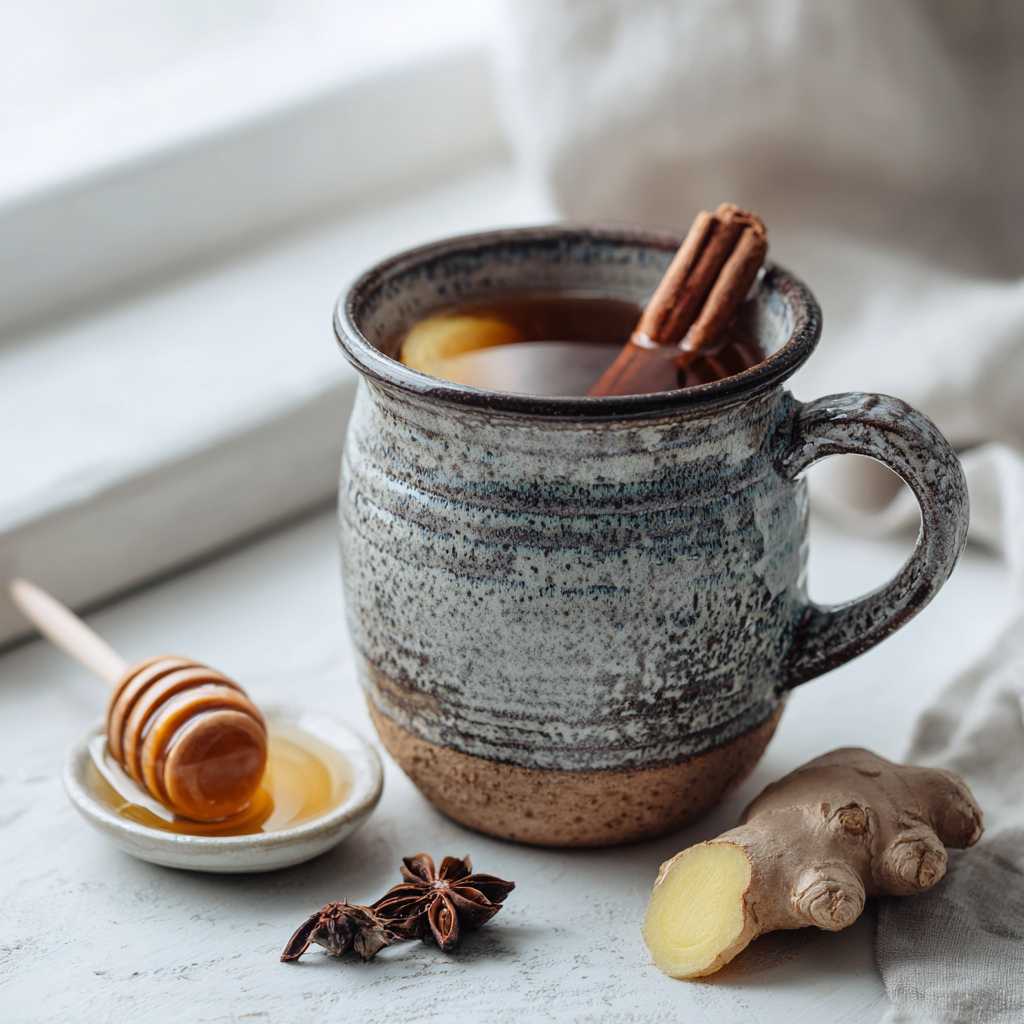
- Clove tea with cinnamon and ginger
- Mulled wine or warm apple juice
- Chai latte
Clove tea: simple recipe
One of the easiest ways to use clove daily is in tea.

Ingredients:
- 2–3 cloves
- 1 cinnamon stick
- 1 slice of ginger
- 250 ml hot water
Preparation:
Let everything steep for 5–10 minutes in hot water. Optionally you can add some honey for a milder taste.
Tips for using clove
Use whole cloves for a subtle flavor and remove them later
Grind clove fresh for a more intense flavor
Combine with cinnamon, nutmeg and star anise for warm flavor profiles
Be careful with dosing: too much can quickly overpower
When should you preferably not use clove?
Although clove has many benefits, it is important to use it in moderation.
- Large amounts can have a strong taste and effect
- When using clove oil, caution is important because of the high concentration
- Use it mainly as a flavoring in dishes and drinks
Clove in your daily routine
The beauty of clove is that you can easily integrate it into your daily eating patterns.
- Add it to your tea
- Use it in stews
- Combine it with other herbs in your own mix
- Or choose a ready-made spice mix in which clove is subtly incorporated
This way you benefit from both flavor and the natural properties, without it getting complicated.
Conclusion
Clove is much more than a winter spice. It is a powerful ingredient that has been used for centuries because of its flavor and its versatile applications.
Whether you use it in tea, in dishes or as part of a spice mix: with clove you can easily add extra depth and character to your everyday food.
Frequently asked questions about clove
1. What is clove good for?
Clove supports, among other things, digestion, helps with fresh breath and contains many antioxidants that protect your body.
2. Can you use clove daily?
Yes, in small amounts you can use clove daily, for example in tea or dishes.
3. How much clove may you use?
Because of the strong flavor you usually need only 1 to 3 cloves per dish or cup of tea.
4. Does clove help with toothache?
Clove and clove oil are traditionally used for dental complaints because of the slightly numbing properties. If pain persists it is important to consult a dentist.
5. What is the difference between clove and clove oil?
Clove is the dried flower bud that you use in dishes. Clove oil is a strongly concentrated extraction and is mainly used in small amounts for external use or specific applications.