The global market for herbs and spices was valued at $21.99 billion in 2026 and is growing with a CAGR of 5.12% toward $28 billion in 2031. For private label brands the opportunity is even sharper: the private label segment for herbs and spices alone grows with a CAGR of 10.1% — and outpaces national brands in both volume and innovation. In the sauces category the picture is equally promising, with global sauces, dressings and condiments expected to reach $252 billion in 2031.
Are you a retailer, food brand or foodservice operator considering private label? Then this is the moment. This is what the data tells us.
Trend 1: Swicy Is Here to Stay — And Is Evolving
Sweet plus spicy is no longer novel. It is the new baseline.
'Swicy' products now appear on 10% of restaurant menus, with expected growth of at least 9%. The sweet-spicy combination has evolved from trend to standard — and in its second phase it becomes significantly more refined. Consumers no longer simply reach for hot honey; they seek layered heat that builds gradually, tempered by complexity rather than pure sweetness.
The next wave of swicy innovation includes chamoy, interest in which has grown 204% over the past four years — originally linked to desserts and drinks but now appearing in savory snacks and seafood. Japanese barbecue sauce has seen explosive commercial success: from $1.5 million in revenue in 2020 to an expected $100 million by the end of 2025 — an increase of 6,500%. Hot honey combined with alternative sugars like molasses, maple syrup and date syrup adds depth alongside sweetness. Layered heat profiles with smoky, sour and fruity notes unfold across the palate instead of overwhelming it.
This is excellent ground for private label. Retailers can stake out the space between mass sriracha and premium artisanal hot sauces — a gap that remains wide open.
Trend 2: Middle Eastern & North African Flavors — The New Frontier
Za'atar. Sumac. Baharat. Berbere. These are no longer niche products — this is the next global wave.
For years Asian cuisines dominated global flavor adoption. That is shifting. Middle Eastern and North African (MENA) flavor profiles are gaining serious ground with both fine-dining chefs and mainstream consumers — and industry analysts suggest they could soon rival Asian cuisine as a driving force behind global product development.
Key ingredients and blends to watch: za'atar is spreading quickly across categories, from dips to flavored oils and protein rubs. The tangy, fruity acidity of sumac is becoming a sought-after alternative to citrus in marinades and dressings. Baharat and berbere — warm, complex spice blends — offer broad versatility for meats, grains and vegetables. Zhug, a spiced herb sauce, is moving from specialty shops to mainstream retail. Pomegranate molasses, date syrup and honey act as natural sweeteners that add sweet-savory depth without refined sugar.
This trend is particularly powerful for private label because it aligns with consumers’ desire for authentic origin. Labeling matters: 'Moroccan Chermoula' or 'Levantine Za'atar Blend' communicates quality and specificity in a way that generic 'Mediterranean herbs' no longer does.
Trend 3: Cross-Cultural Fusion — Intentional, Not Random
The best fusion in 2026 is intentional: two strong culinary traditions brought together in a familiar consumer format.
Flavor fusion is maturing. Where early fusion could be fragmented, the version gaining ground in 2026–2027 is purposeful and high-quality — two prominent culinary traditions combined into a format that feels accessible to consumers. Fine-dining restaurants are already leading, and the retail shelf typically follows within 12 to 24 months.
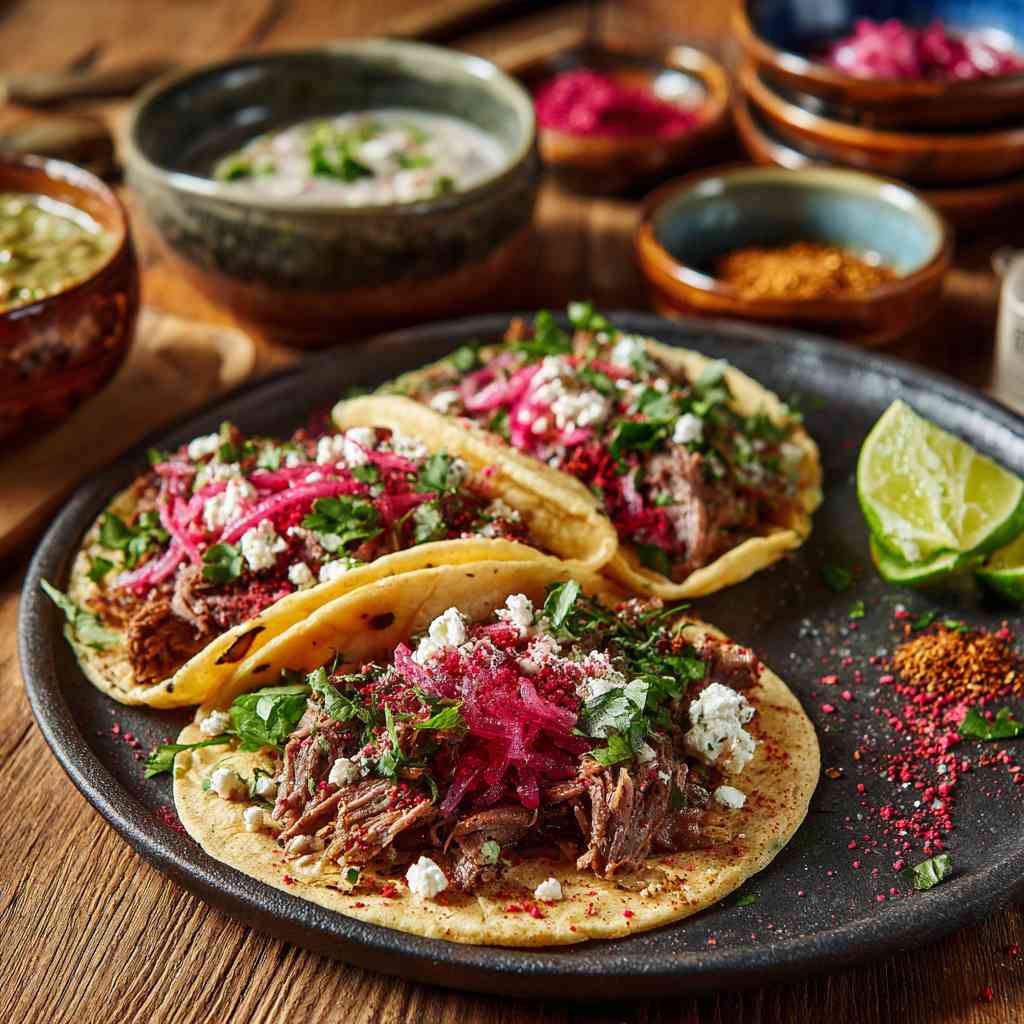
Emerging fusion combinations driving menu and product development: Middle East meets Mexico via za'atar-chipotle blends, shawarma-spiced enchilada sauces and lamb mince tacos with sumac. Thai meets Cajun, with lemongrass and lime zest alongside paprika and cayenne, especially in seafood applications. Korean meets American BBQ via gochujang-honey glazes, kimchi-spiced rubs and bulgogi-inspired marinades. Vietnamese meets Middle Eastern where nuoc cham meets tahini in new dip formats. West African meets American South via jollof-spiced grains and peri-peri applied to low-and-slow cooking techniques.
For B2B customers launching private label, cross-cultural blends are excellent for differentiation: they are hard to cheaply copy, carry a story and appeal to the growing group of consumers who want to explore global flavors without leaving their comfort zone.
Trend 4: Functional Flavor — Wellness That Tastes Good
Consumers no longer want to choose between taste and function. They want both.
The clean-label and health-conscious trend combined with bold flavors has produced a new product archetype: ingredients that offer real wellness benefits while genuinely tasting delicious. This is not about bland health food. It’s about turmeric blends that are actually tasty, fermented sauces with real complexity and adaptogenic spice blends that work in everyday cooking.
Key drivers in the functional flavor space: turmeric, ginger and garlic — immune-focused growing blends where consumers recognize these ingredients both functionally and culinarily. Fermented ingredients like miso, kimchi-inspired bases, koji and fermented chili pastes are valued for their gut-health perception and umami depth. Adaptogens such as reishi, ashwagandha and lion's mane appear in spice blends and sauces for the wellness consumer. Botanical and floral notes — lavender, hibiscus, rose — are growing over 8% and are seen as premium, sustainable and health-friendly. Low-sodium reformulation is driven by health-conscious consumers and regulatory trends, with umami-rich spice blends able to compensate for sodium reduction.
The private label opportunity here is significant: national brands are slow to shift to functional positioning. An agile private label partner can bring turmeric-ginger BBQ rubs or koji-fermented hot sauces to market months ahead of the competition.
Trend 5: 'Neostalgia' — Comfort Flavors with a Modern Twist
More than 70% of consumers want nostalgic food experiences — but with a refined upgrade.
Comfort food is undergoing a renaissance. Consumers seek emotional resonance alongside culinary refinement — the reassurance of familiar flavors presented in new, elevated ways. Industry researchers call this 'neostalgia': the connection between comfort and innovation.
For spice-mix and sauce brands this opens a rich creative space. Classic BBQ rubs reinvented with global spice layers — smoky paprika meets harissa, or hickory meets black cardamom. Ranch dressing reborn with chipotle, sriracha or curry — familiar base, unexpected finish. Butter sauces elevated with miso, chili honey or spice blends. Warm spiced profiles — cinnamon, clove, allspice — migrating from seasonal baking to savory marinades. Curry-spiced versions of comfort classics: potato seasonings, macaroni-and-cheese powder, popcorn mixes.
47% of consumers in 2025 ate a dish with a global influence, and that number grows by 9% per year. Neostalgia is the bridge for brands that want to reach adventurous consumers while keeping one foot in familiarity.
Trend 6: Signature Sauces as Brand Identity
60% of consumers say a restaurant’s signature sauce influences where they choose to eat. The same logic applies to retail.
Sauces are no longer condiments — they are brand differentiators. Research shows that three in five consumers actively look for signature sauces, and more than half of operators say sauces drive both creativity and repeat purchases. Yet less than half of operators currently have a signature offering. The gap is enormous.
For private label clients this points to a clear strategy: bespoke signature blends that build brand loyalty instead of triggering price competition. The fastest-growing sauce categories offer useful direction. Mango purée has risen 39% — sweet, tropical and versatile. Chili oil has risen 27%, with the Sichuan-inspired chili crisp format becoming a pantry staple for adventurous home cooks. Thai chili sauce has risen 22%, reflecting steady demand for heat with sweetness and umami. Amatriciana-style sauces have risen 34%, with premium Italian formats resonating as restaurant-quality at home.
The key insight: consumers want sauces they can use across multiple meal occasions. Cross-use is the winning strategy — one signature sauce that works on protein, in pasta, as a dip and as a marinade wins shelf space and loyalty in a way one-off products cannot.
Trend 7: Premium, Traceable and Clean Label
In 2026 'where does this come from?' is as important as 'how does it taste?'
The premiumization of herbs and sauces is no longer confined to specialty shops — it is entering mainstream supermarkets at scale. Consumers, especially Millennials and Gen Z, are willing to pay more for provenance, cleaner ingredient lists and sustainable sourcing.
What premium means in practice for private label: origin-specific naming such as 'Vietnamese Cinnamon' instead of 'Cinnamon', or 'Calabrian Chili Pepper' instead of 'red pepper' — specificity signals quality. Clean label ingredients without artificial colors, preservatives or fillers mean shorter ingredient lists that justify premium positioning. Sustainable packaging including glass jars, refillable pouches and minimalist design are now seen as quality signals, not just eco-statements. Organic and non-GMO ranges — organic and clean label sauces are expected to grow with a CAGR of 6.05% through 2031. Traceability claims matter: one manufacturer reported a 30% drop in quality rejections after building a fully traceable supply chain and using that in their communications.
Private label has a structural advantage here: faster time-to-trend, more control over sourcing and the ability to build real relationships with premium ingredient suppliers that national brands cannot replicate at their scale.
Looking Ahead to 2027: What’s on the Horizon
Looking further ahead, there are a few signals worth monitoring for longer-term private label launches.
Neurosensory flavor products are designed to modulate mood and cognition — calm, clarity, focus — via ingredients like adaptogens, nootropics and aroma compounds, positioned at the intersection of flavor and mental wellbeing. Aroma-focused formulation is gaining ground: smell accounts for 70–90% of perceived taste and 61% of consumers name aroma as a primary purchase factor; expect sensory complexity — smoke, florals, fermented — to become a key differentiator. Indian regional cuisine, long simplified for Western palates, is now finding a mainstream audience, with Makhani, Chettinad and coastal coconut blends expected to come forward. Black Currant was named McCormick's Flavor of the Year 2026 due to its versatility in savory and sweet applications — a signal for the integration of tart-fruity flavors in sauces and marinades. Aji Amarillo, McCormick's Flavor of the Year 2025, is building further momentum as the fruity heat of the Peruvian yellow chili finds new applications beyond its original South American context.
Ready to Launch Your Private Label Line?
We develop bespoke spice blends and sauces aligned to emerging trends, your target consumer and your margin requirements. Whether you are launching one hero product or building a full flavor portfolio, we’d be happy to discuss what’s possible. Get in touch for samples, formulation consultation or an exploration of your private label roadmap.
Sources: IFT Outlook 2026, Spices Inc. Flavor Reports, Datassential Sauces Report, McCormick Flavor Forecast 2026, Mordor Intelligence, Grand View Research, Fortune Business Insights. Market data as of early 2026.
FAQ: Private Label Spice Blends & Sauces
1. What is the minimum order quantity for private label spice blends and sauces?
The minimum order quantity varies by product type, packaging format and whether you work from an existing base recipe or a fully custom-developed product. As a general guideline, private label programs work best from a certain volume threshold, allowing us to procure quality ingredients competitively and ensure batch-to-batch consistency. We recommend contacting us to discuss your specific requirements — for new customers wanting to test a concept, we often find flexible solutions to get your first range off the ground.
2. Can you develop a fully proprietary recipe, or do I choose from existing formulas?
Both options are available. If you have a flavor direction, culinary inspiration or functional positioning in mind — for example a za'atar-chipotle blend for a Middle Eastern–Mexican fusion line, or a clean label turmeric rub with no artificial additives — our development team can build a recipe from scratch around your brief. If you prefer a faster route to market, we can also adapt an existing base to your desired flavor profile, adjust heat levels, tweak salt content or tailor the ingredient list to your labeling requirements.
3. How long does the development and production process take?
Lead time depends on project complexity. A simple adjustment of an existing formula with standard packaging can typically move from brief to production-ready samples within four to six weeks. A fully custom development — especially with new ingredients, functional claims or bespoke packaging — generally requires eight to twelve weeks, including time for iterative tastings, stability testing and labeling compliance checks. We agree a clear timeline with you at project outset so there are no surprises.
4. Can you help with labeling, compliance and ingredient traceability?
Yes. We work with clients in multiple markets and understand regulatory requirements differ — whether you sell in the EU, the UK, the US or elsewhere. We can provide full traceability documentation for ingredients, allergen statements and technical data sheets to support your labeling. For clients positioning ranges as clean label, organic or non-GMO we can source certified ingredients and supply the relevant certification documentation. We always recommend engaging a local regulatory specialist for final approval, but we ensure our documentation gives them everything they need.
5. Which trends should I focus on if I launch a private label line in 2025 or 2026?
The strongest opportunities currently sit at the intersection of bold flavor and consumer relevance. Sweet-spicy profiles — particularly formats that go beyond simple hot honey to more complex layered flavor builds — continue to perform well. Middle Eastern and North African flavors like za'atar, sumac and berbere are moving quickly from specialty markets to mainstream. Functional positioning around fermented ingredients, turmeric blends and low-sodium reformulation is gaining real traction with health-conscious shoppers. And premium, traceable provenance — knowing exactly where your Calabrian chili or Vietnamese cinnamon comes from — becomes a true purchase factor rather than a nice-to-have. We’d be glad to discuss what works in your specific category and help you build a range that leads the curve rather than chases it.