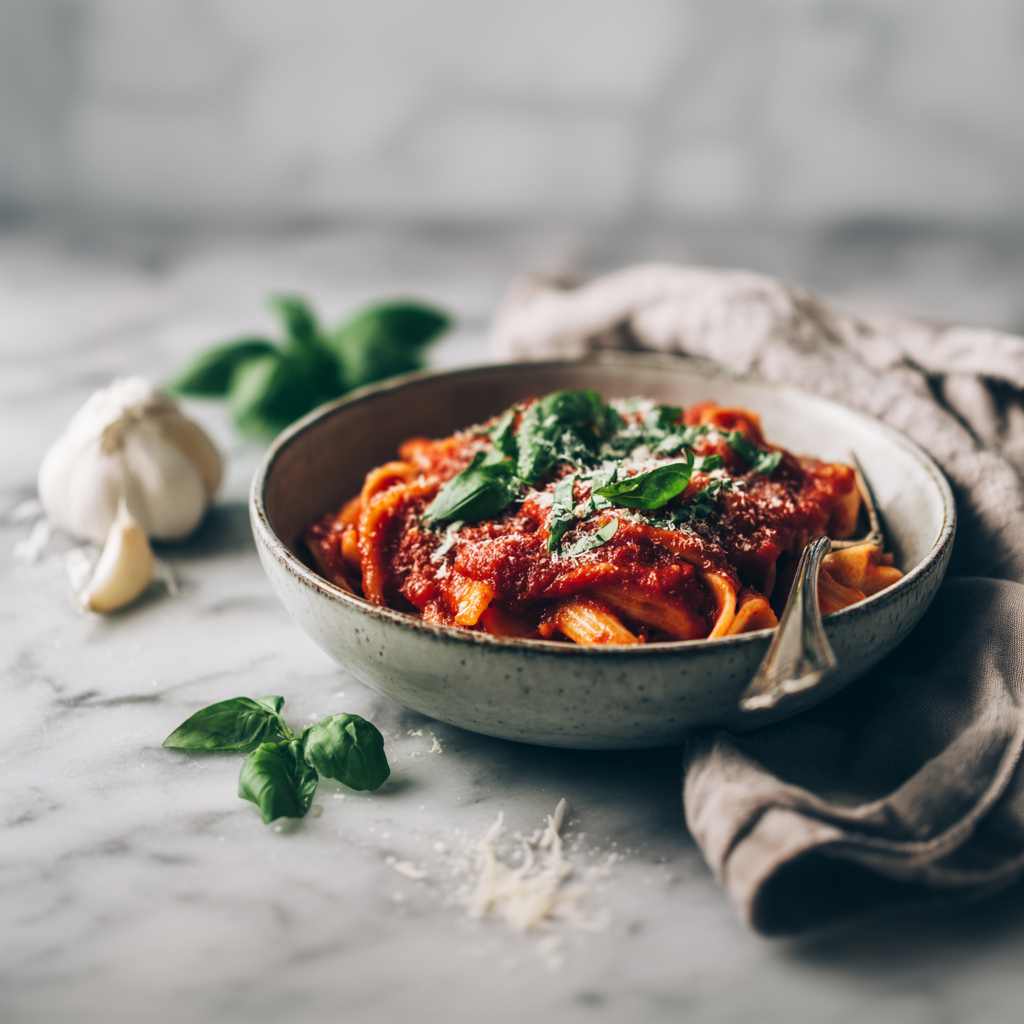
Pasta may seem simple, but the flavor stands or falls with the right herbs. Whether you're making a quick weeknight meal or an elaborate dish, the right combination of herbs will elevate any pasta. In this guide you'll discover exactly which herbs suit pasta, by sauce, by ingredient, and how to easily create the right flavor balance yourself.
The basics: these herbs belong with pasta
These are the most commonly used herbs in pasta dishes. Consider them your foundation:
- Basil – fresh, slightly sweet, perfect with tomato
- Oregano – spicy and warm, classic Italian
- Thyme – savory and slightly earthy
- Rosemary – strong, ideal with meat dishes
- Parsley – fresh and slightly peppery
- Garlic – indispensable for depth and aroma
With this base you can vary endlessly.
Which herbs with pasta by sauce
Tomato sauce
The classic. Here everything is about the balance between fresh and spicy.
Best herbs:
Tip: add basil only at the end for maximum flavor.
Cream sauce (alfredo, carbonara variants)
Creamy sauces call for subtle herbs that don't overpower.
Best herbs:
Pesto
Pesto is simple but powerful.
Best herbs:
- Fresh basil (the base)
- Garlic
- Possibly a bit of parsley for variation
Aglio e olio
Minimalistic, but precisely for that reason everything depends on the right herbs.
Best herbs:
Which herbs with pasta by ingredient
Pasta with chicken
- Thyme
- Rosemary
- Paprika powder
- Garlic
Pasta with beef (e.g., bolognese)
Pasta with fish (salmon, prawns)
- Dill
- Parsley
- Lemon zest
- Garlic
Vegetarian pasta
- Oregano
- Basil
- Thyme
- Chili (for extra depth)
Fresh vs dried herbs
Both have their place in the kitchen.
Dried herbs are stronger in flavor, ideal for sauces that cook longer and practical because they have a long shelf life.
Fresh herbs are fresher and lighter, perfect as a finishing touch and they add extra color and aroma to your dish.
Rule of thumb: use 2 to 3 times more fresh herbs than dried.
Make your own pasta herb mix
Want to always have the right flavor on hand? Then make your own mix:
Basic pasta herb mix:
- 2 tsp oregano
- 2 tsp basil
- 1 tsp thyme
- 1 tsp garlic powder
- ½ tsp chili flakes (optional)
Mix everything and store airtight. Ideal for quick meals.
Prefer convenience? Choose ready-made Italian herbs
No time or desire to mix yourself? Then ready-made herb mixes are a smart choice.

At Natural Spices you will find among others:
- Mamma Mia herb mix (without salt) – perfect for pasta, pizza and bruschetta
- Bio Pizza Perfect (without salt) – organic variant with the same Italian flavor
- Italian herb mix – versatile for sauces and marinades
These mixes are carefully composed and give your pasta the right flavor balance immediately without you having to combine ingredients yourself.
Common mistakes when seasoning pasta
- Using too many herbs at once causing flavors to fade
- Adding herbs too early, especially fresh herbs
- No balance between acidity, salt and spiciness
- Relying only on the sauce and not on herbs
Conclusion
The right herbs make the difference between an ordinary and a truly flavorful pasta. By combining cleverly or choosing a good herb mix you always ensure a dish that works.
Whether you go for a classic tomato sauce, creamy pasta or a light variant with fish: with the right herbs you're always on the right track.
Frequently asked questions
- Which herbs are most important for pasta?
Basil, oregano and garlic form the basis of most pasta dishes. - Can I use dried herbs instead of fresh?
Yes, dried herbs are more potent and perfect for sauces. Use less than you would of fresh herbs. - Which herbs suit pasta without sauce?
Garlic, chili, parsley and olive oil work perfectly for simple pastas. - What is the best herb mix for pasta?
A combination of oregano, basil, thyme and garlic always works well. Ready-made mixes like Mamma Mia make it even easier. - Which herbs for pasta with chicken?
Thyme, rosemary and garlic give chicken dishes extra flavor and depth.