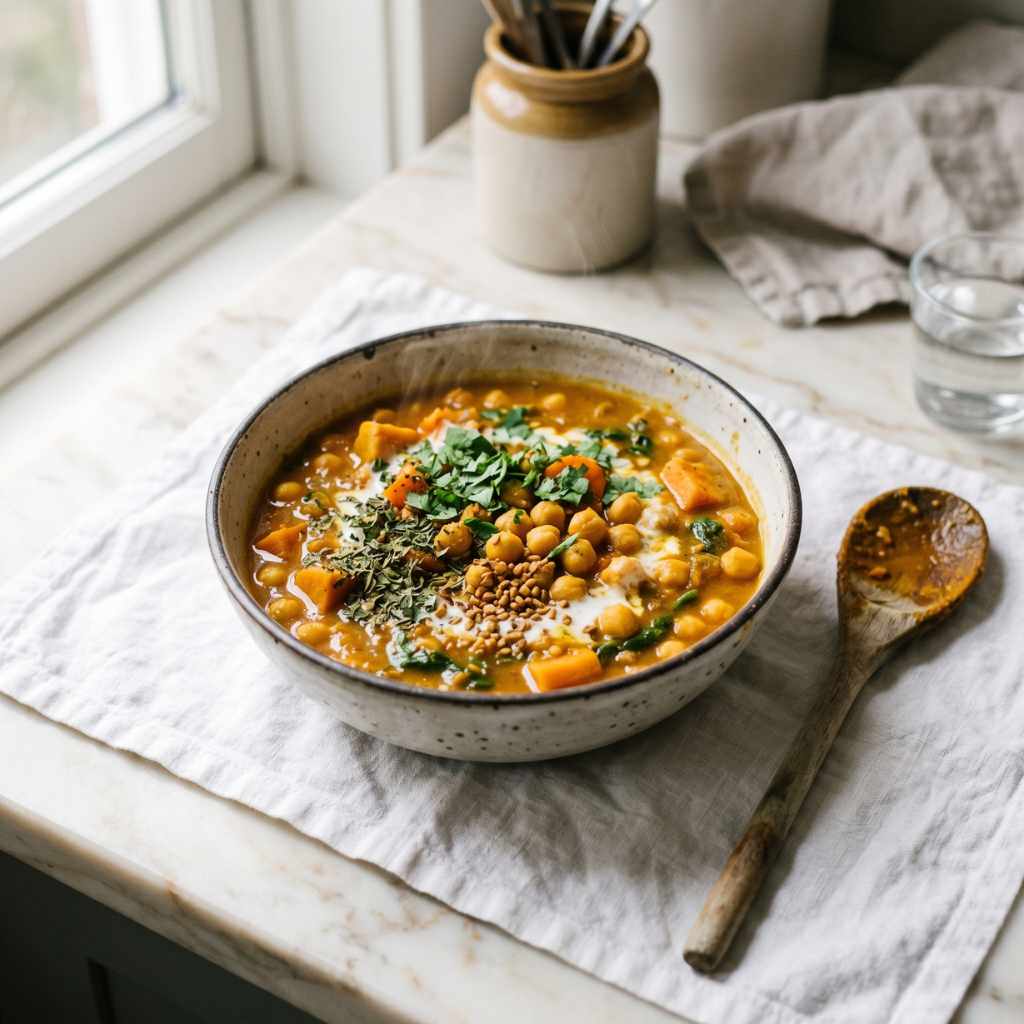
Fenugreek is an herb that adds a lot of flavor, but can also quickly overpower a dish if used incorrectly. You may have tasted it in a curry, but not yet used it yourself.
Good news: fenugreek is not complicated — if you know what to watch for. With these practical tips you’ll get the best out of it without making your dish too bitter.
Using fenugreek: the basics
Fenugreek is usually used in the form of seeds (whole or ground). The flavor is strong, slightly bitter and nutty, with a warm, spicy undertone.
Still unsure what fenugreek exactly is or how it tastes? First read our article about what fenugreek is for the basics.
Tip 1: Start with small amounts
Fenugreek is not an herb you need a lot of.
- Start with about ½ teaspoon
- Taste and build up slowly
- Too much = quickly bitter
You can always add more, but you can’t take it back.
Tip 2: Roast fenugreek seeds for a milder flavor
One of the best ways to make fenugreek tastier:
- Heat a dry pan
- Roast the seeds 1–2 minutes
- Until they smell lightly (don’t let them burn)
This takes the sharp edges off and makes the flavor rounder and warmer.
Tip 3: Use whole seeds in stews
Whole fenugreek seeds work best in dishes that cook for longer.

Think of:
- Curries
- Stews
- Lentil dishes
They release flavor slowly without overpowering.
Tip 4: Use ground fenugreek for convenience
Ground fenugreek is ideal if you want to cook quickly.
- Easy to dose
- Can be mixed in directly
- Suitable for sauces and spice blends
For everyday use this is often the most practical choice.
Tip 5: Combine with the right spices
Fenugreek works best in combination with other warm spices.
Good combinations are:
Together they provide a full, balanced flavor.
Tip 6: Add it at the right time
When you add fenugreek makes a difference.
- Whole seeds: at the beginning (cook along)
- Ground: add later for more control
This prevents the flavor from becoming too dominant.
Tip 7: Use fenugreek in spice blends
Fenugreek is often a ‘hidden’ flavor in spice blends.
It:
- Binds flavors
- Adds depth
- Makes a mix rounder
That’s why it’s often in curries, garam masala and other blends — even if you don’t taste it directly.
Tip 8: Try fenugreek as tea
Less known, but definitely worth trying.
- Crush half a teaspoon of seeds
- Pour over with hot water
- Let steep 5–10 minutes
The flavor is spicy and slightly bitter.
Which form to choose: whole or ground?
In short:
- Whole fenugreek seed: for slow preparations
- Ground fenugreek: for convenience and quick dishes
Do you often work with stews? Then whole seeds are interesting.
Do you cook quickly and practically? Then ground fenugreek is a logical choice.
Want to get started yourself? In our shop you’ll find both fenugreek seed (whole) and ground fenugreek — fresh and ready to use in your dishes.
Conclusion
Fenugreek is a powerful herb that gives your dishes more depth and warmth — as long as you use it well. By starting small, optionally roasting it and combining it smartly, you’ll get the most out of it.
Once you get used to it, you’ll notice it becomes a regular in your kitchen.
FAQ: using fenugreek
1. What is the best way to use fenugreek?
Start with small amounts and use whole seeds for stews or ground fenugreek for quick preparations.
2. Should you roast fenugreek?
Not mandatory, but it makes the flavor milder and less bitter.
3. Can you use fenugreek raw?
Yes, but the flavor is then quite strong and bitter. Usually heating it is tastier.
4. What pairs well with fenugreek?
Especially curries, lentils, vegetables and spice mixes with cumin and coriander.
5. What happens if you use too much fenugreek?
A dish can quickly become bitter. That’s why dosing is important.