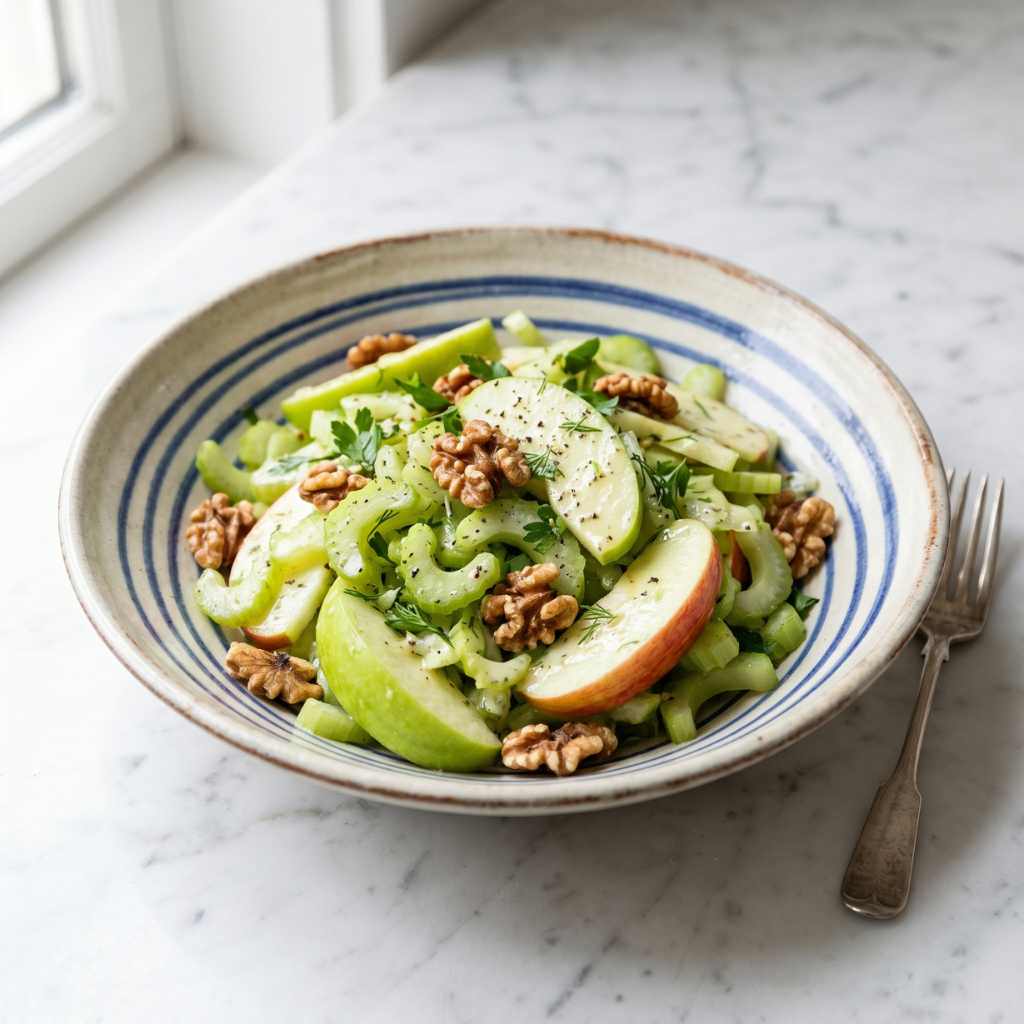
Celery may not be the first ingredient you think of as a flavor enhancer, but don’t underestimate it. This crunchy vegetable has a fresh, slightly peppery taste that gives dishes a bit more depth. From soups and sauces to fresh salads and snacks: celery fits with almost everything.
In this blog you’ll discover what you can do with celery, how to use it best, and why it’s such a smart addition to your kitchen.
What is celery, actually?
Celery is a versatile vegetable of which you can use almost everything: the stalks, the leaves and even the root (better known as celeriac).
The most used variety is common celery: light-green stalks with a crunchy bite and a fresh, slightly salty flavor.
How does celery taste?
Celery has a unique flavor you won’t easily confuse with something else:
- Fresh and lightly peppery
- Subtly briny
- Aromatic and spicy
It’s precisely that combination that makes celery so interesting: it enhances other flavors without overpowering them.
Why cook with celery?
Celery is not only tasty but also functional in your dishes.
1. Natural flavor enhancer
Celery is often used as a base in dishes (think soup or sauce), because it brings out other flavors.
2. Fresh balance
In rich or heavy dishes celery provides balance and lightness.
3. Versatile in use
Raw, cooked, fried or stewed—it can all work.
How to use celery in the kitchen
1. As a flavor base (soffritto / mirepoix)
Celery is a classic component of the base of many dishes, together with onion and carrot. This forms the flavor base for:
- Soups
- Sauces
- Stews
Tip: sauté celery gently in oil first for a deeper flavor.
2. In soups and broths
Celery gives a fresh, savory note to soups and broths. It’s almost indispensable in:
- Vegetable soup
- Chicken broth
- Noodle soup
You can either cook it with the dish or add it at the end for extra bite.
3. Raw in salads or as a snack
Raw celery is crunchy and fresh, perfect for:

- Salads (e.g., with apple and walnut)
- As a snack with hummus or dip
- In fresh lunch dishes
4. In warm dishes and stir-fries
Celery keeps its bite when heated and works well in:
- Stir-fries
- Pasta sauces
- Rice dishes
Slice it thin so it cooks quickly.
Celery seed and celery salt: small but powerful
Besides the familiar common celery there are two less visible but frequently used flavorings: celery seed and celery salt. These are often used in spice blends and give a concentrated celery flavor.
Celery seed
Celery seed are small, brown seeds with a powerful, slightly bitter and spicy flavor.
How to use celery seed:
- In dressings and vinaigrettes
- In pickled vegetables
- In soups and stews
- As part of spice blends
Note: the flavor is quite intense, so use it sparingly.
Celery salt
Celery salt is a combination of salt and ground celery seed. It’s often used as a subtle flavor enhancer.
What to use celery salt for:
- On fries or potatoes
- In salads and dressings
- With eggs or avocado
- Classic: as a rim on a Bloody Mary
When to choose what?
- Fresh celery → for freshness and texture
- Celery seed → for deep, spicy flavor
- Celery salt → for convenience and a quick flavor boost
Pairing celery: what goes well with it?
Celery pairs surprisingly well with many ingredients:
- Creamy: cream cheese, yogurt, soft cheeses
- Fresh & sweet: apple, grape, citrus
- Savory: chicken, minced meat, fish
- Herby: parsley, thyme, garlic
Tips for preparing celery
- Trim the bottom and remove the stringy outer parts for a softer texture
- Also use the leaves: they’re full of flavor and work well as an herb
- Store celery in the fridge, preferably wrapped in foil or in a sealed container
- If it goes limp, soak it briefly in cold water to crisp it up again
Conclusion
Celery may not be the “star of the plate,” but it is a real backstage flavor maker. It adds freshness, balance and depth to your dishes—whether you use it raw, cooked or fried.
And with celery seed and celery salt you also have two powerful flavorings on hand that make a big difference in small amounts.
A simple ingredient, with surprisingly big impact.
Frequently asked questions about celery
1. Can you eat celery raw?
Yes, you can eat celery raw. It’s crunchy, fresh in flavor and ideal as a snack or in salads. For example, pair it with hummus, cream cheese or in a fresh salad with apple and nuts.
2. What is the difference between celery, celeriac and celery seed?
Celery (stalk celery) consists of stalks and is often used raw or cooked. Celeriac is the root of the plant and has a fuller, earthy flavor. Celery seed are the dried seeds of the plant and are used as a potent flavoring in spice blends and dishes.
3. How do you best store celery?
Store celery best in the fridge, preferably wrapped in foil or in a sealed container. This keeps it crunchy longer. Has the celery gone limp? Place the stalks briefly in cold water to freshen them up.
4. What do you use celery salt for?
Use celery salt as a seasoning in salads, dressings, soups and over potatoes. It gives a savory, lightly spicy flavor and is also often used as a finishing touch, for example on a Bloody Mary or avocado toast.
5. Is celery healthy?
Celery contains few calories and a lot of water, making it a light and fresh addition to your meals. It fits well in a varied diet and is often used in both light and savory dishes.
6. What does celery taste like?
Celery has a fresh, slightly peppery and herbaceous flavor with a subtle briny character. The flavor is quite pronounced but works well to enhance other ingredients without overpowering them.
7. What can you make with celery?
You can do a lot with celery. Think soups, broths, stir-fries, salads and snacks. It’s often used as a flavor base together with onion and carrot, but is also tasty raw with a dip or incorporated into fresh lunch dishes.