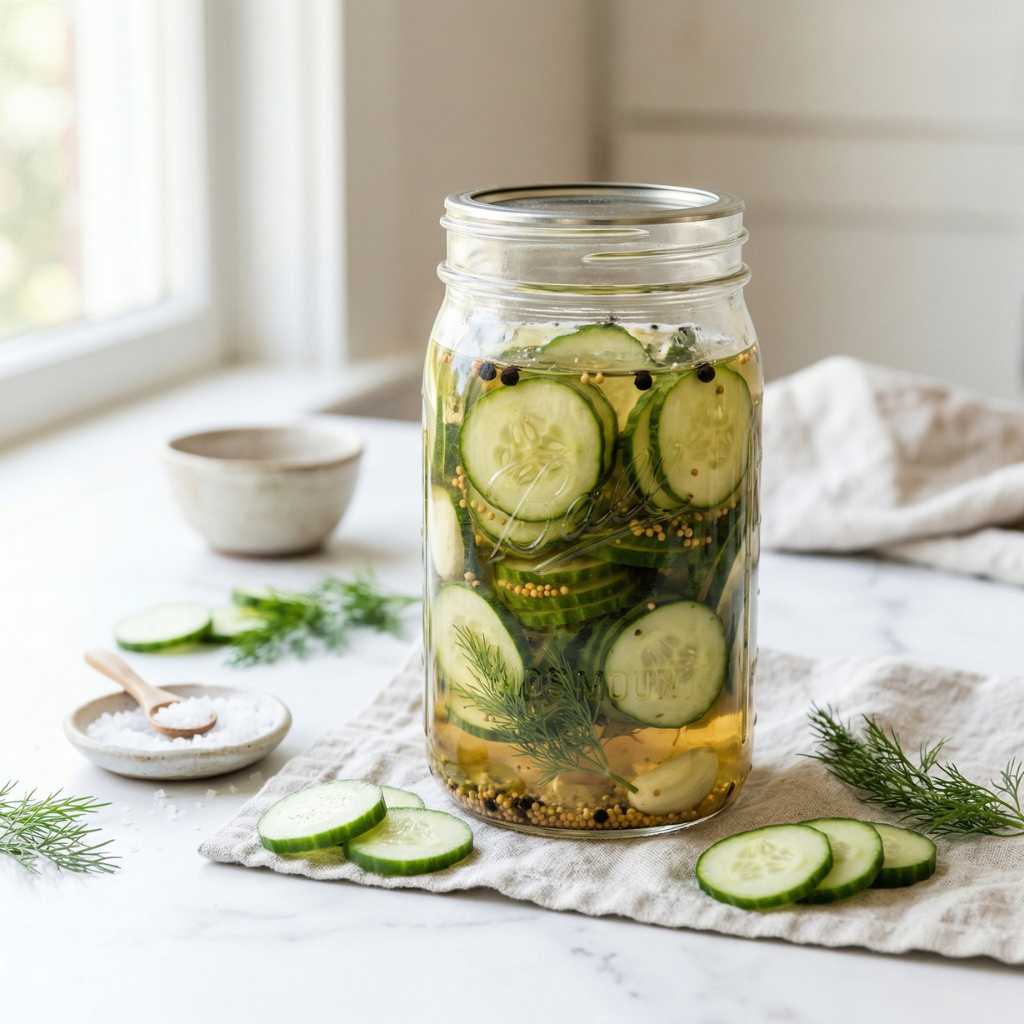
Pickling and fermenting are often confused. Understandable — both methods are used to preserve vegetables longer and add flavor. Yet they work completely differently.
And more importantly: they require a different approach, different ingredients and different spices.
In this article we explain the difference and you’ll discover when to choose pickling (with pickling spices) or fermenting.
What is pickling?
Pickling (also called pickles) is preserving vegetables in an acidic liquid, usually vinegar, water and salt.
The acidity prevents bacteria from taking hold — you “preserve” essentially immediately.
Characteristics of pickling:
- Quick results (often tasty within 1 day)
- Fresh, sour flavor
- Perfect for crunchy vegetables like cucumber, onion and carrot
- Ideal for meal prep or quick flavor enhancers
This is where pickling spices come into play.
With the right spices you give your pickles immediate character: think mustard seed, coriander, pepper, dill and spices like juniper berries.
This is exactly where a good pickling spice mix makes the difference: consistent flavor profile, without having to puzzle it out yourself.
What is fermenting?
Fermenting is a natural process where beneficial bacteria (lactic acid bacteria) convert sugars into acid.

You do not use vinegar — only salt and time.
Characteristics of fermenting:
- Takes longer (days to weeks)
- More complex, deeper flavors (umami, mildly sour)
- Living product (probiotic)
- Known from, for example, sauerkraut and kimchi
The main difference at a glance
| Pickling | Fermenting |
|---|---|
|
|
|
|
|
|
|
|
|
|
When do you choose pickling?
Pickling is perfect if you:
- Want quick results
- Want control over flavor
- Work with different flavor profiles (sweet, spicy, savory)
- Want to give vegetables extra “bite” in dishes
Think of:
- Gherkins
- Sweet-and-sour red onion
- Carrot pickles
- Cucumber ribbons
Here you can endlessly vary with spices. From classic to spicy.
When do you choose fermenting?
Fermenting is better if you:
- Are looking for deeper flavors
- Have patience
- Are interested in health (probiotics)
- Want to work more “artisanally”
The role of spices: where is the difference?
In pickling, spices play a leading role.
In fermenting they are more supporting.
In pickling:
- Flavor mainly comes from vinegar + spices
- You can steer it: spicy, fresh, savory, sweet
In fermenting:
- Flavor arises from the process
- Spices are present more subtly
That is why you often see specific blends in pickling: pickling spices.
Why use pickling spices?
You can of course mix everything yourself, but a good blend has advantages:
- Always the right balance
- Time-saving
- Consistent quality
- Ready to use in different recipes
Our pickling spices are, for example, composed of among other things:
coriander, mustard seed, pepper, juniper berries and spices - exactly what you need for a classic, full flavor.
Simple recipe: quick cucumber pickles (basic)

Ingredients:
- 1 cucumber (sliced)
- 250 ml water
- 250 ml vinegar
- 1 tbsp sugar
- 1 tsp salt
- 1–2 tsp pickling spices
Preparation:
- Bring water, vinegar, sugar and salt to a boil
- Add the spices
- Pour over the cucumber
- Let cool and place in the refrigerator
Tasty after a few hours — perfect after 24 hours.
Conclusion: pickling or fermenting?
There is no “better” — only what suits you.
- Do you want quick, fresh and controlled flavor? Then choose pickling
- Do you want depth, complexity and a natural process? Then fermenting is a good option.
But if you are just starting out (or just want to make something tasty without fuss), pickling is the easiest and most accessible option.