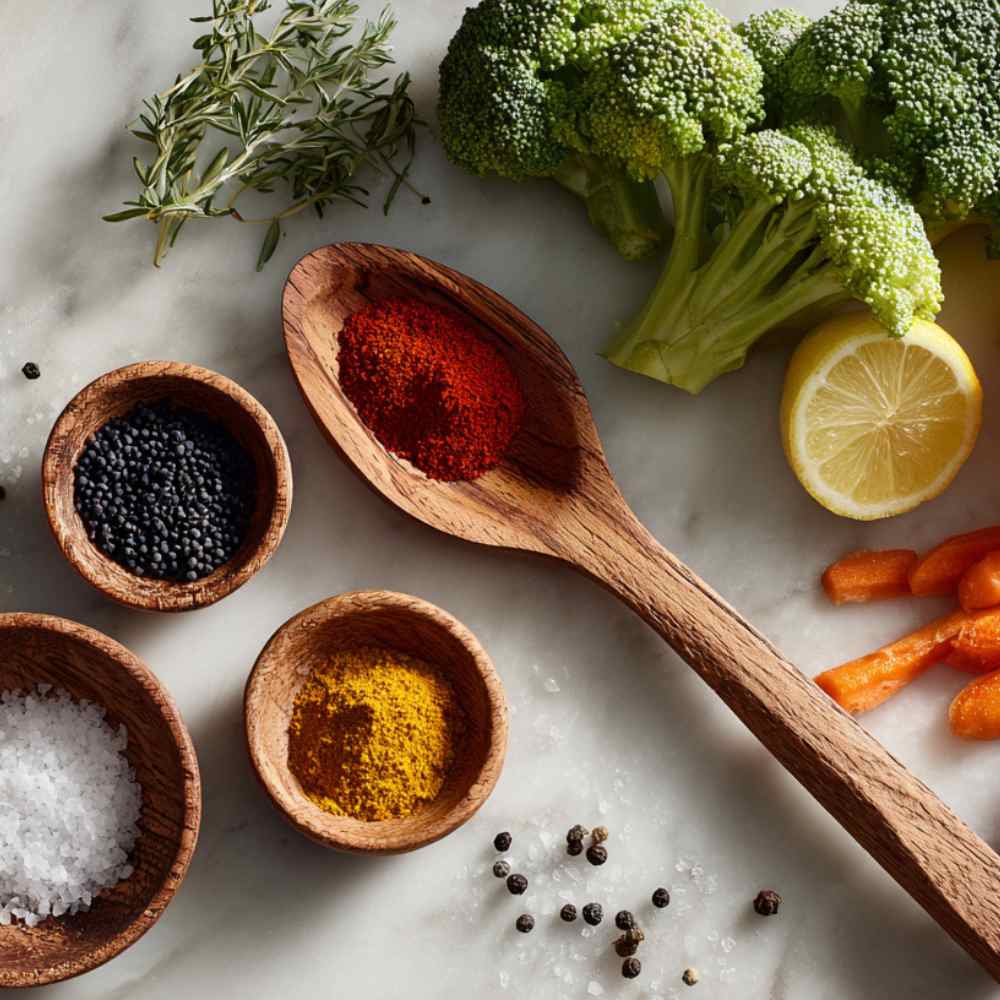
Is eating low-salt your New Year's resolution? Do you want to eat fewer calories? Many diets with many restrictions have been developed for this. It can also be simpler: with our tips you can eat just as deliciously, but low in salt, low in calories and healthy. That way you can keep your resolutions very easily!
Why eat fewer calories?
Many people want to eat fewer calories to lose weight or to maintain a healthy weight. Calories give us energy to move, think clearly and perform basic bodily functions such as breathing, digesting food and pumping blood through your body.
If you want to eat fewer calories, be careful not to eat too few calories. The danger of eating too few calories is that you lose muscle mass and healthy fats, and have no energy left for the body's basic functions.
Eating too many calories, on the other hand, causes you to gain weight. The calories that are not burned remain in your body, often in the form of fat. So you must find the right middle ground where you get enough energy to function well, but still do not eat too many calories.
You can calculate how many calories you need per day using a BMR formula.
Why eat low-salt?
Salt is found in almost every product; both in pre-packaged products and in natural products. Although some contain much more salt than others, it is not possible to follow a healthy diet that is completely salt-free using only natural products. Therefore we speak of low-salt eating instead of salt-free eating.
Did you know that women eat on average 7.5 grams of salt per day, and men even almost 10 grams? Both are considerably higher than the recommended amount of 6 grams. Eating low-salt means consuming 5 to 6 grams of salt per day. Actually everyone should therefore eat low-salt. If you want to stick to the recommended amount, you will automatically end up on a low-salt diet.
Tips: eat fewer calories
1: WHICH FOODS HAVE FEWER CALORIES?
If you want to consume fewer calories, it is best to avoid a number of products, such as:
- Red meat
- Drinks with a lot of sugar; for example juice, soft drinks, lemonade and alcohol.
- Candy
- Cookies
- White grains
- Foods with hidden fats (for example hummus with a lot of oil)
Products that will help you eat fewer calories:
- White meat instead of red meat
- Whole wheat pasta, rice and bread instead of white grains
- More vegetables instead of smaller portions
- Animal and plant proteins
- Puree vegetables into sauces instead of pre-packaged sauces
- Salad as a starter or side dish
2: EAT FEWER CALORIES THAN YOU BURN
If you want to lose weight, the rule of thumb is to eat fewer calories than you burn. For example, did you burn 250 kcal during your afternoon walk? Then have a lunch of, for example, 100 kcal that afternoon. The advice for healthy weight loss is also to eat 500 kcal less per day than your BMR.
To maintain your current weight, it is better to burn about as many calories as you consume. And if you want to gain weight healthily, you should eat more calories than you burn.
3: STAY SATIATED FOR LONGER
If you want to eat fewer calories, drinking a lot of water is a handy trick. It does not replace meals, but it does give you a full feeling. Because of that full feeling you are less likely to want a snack or a larger meal, so many people eat fewer calories than when they drink little water. Also, your body sometimes seems to signal hunger when it is actually thirsty. So drink a bottle of water first before you raid the snack cupboard.
Did you know that you also consume fewer calories when you eat consciously and slowly? By eating more slowly, you get full faster and therefore you will serve yourself smaller portions. Your body does not register that you are eating well enough if you eat too fast or, for example, in front of the TV. This causes the hormones that fuel your feeling of hunger to keep working longer than necessary, and you eat more calories than needed.
Tips: eat low-salt
1: CHECK THE LABELS
Always check the ingredients of products. Sometimes a product contains surprisingly much salt. Compare the salt contents of different options and choose the product with the lowest salt percentage. Want to eat low-salt? Then making your own meals is always better than buying a ready-made meal, because that way you know exactly what is in it. With ready-made products you are never 100% sure.
2: ALTERNATIVES FOR SALTY PRODUCTS
| Salty product to replace | Low-salt eating as an alternative |
| Ready-made meals | Make meals yourself with natural, fresh ingredients and optionally freeze for convenience on other days. |
| Chips, popcorn, etc. | Unsalted nuts (for example cashews), vegetable sticks, homemade popcorn without salt. |
| Feta and other salty cheeses | Goat cheese (check the label!) |
| Cold cuts like salami or bacon | Chicken or turkey fillet |
3: USE HERBS WITHOUT SALT
Salt is a flavor enhancer. If you leave out the salt from your meals, low-salt eating may seem bland and tasteless. Fortunately there are plenty of other flavorings without salt, so low-salt eating can be just as tasty (maybe even tastier)! A number of herbs that contain no salt are:
- Four seasons pepper
- Basil
- Cayenne pepper
- Chinese five-spice powder
- Chipotle pepper
- Garam Masala
…and many more! View all our low-salt herbs and spices here.
Herb blends without salt include:
- Barbecue fire spices
- Chorizo spices
- Fantasy mix
- Pickling spices
- Curry powder without salt
…and many more! View all our low-salt spice blends here.
Buy natural flavorings?
Natural Spices makes 100% natural, healthier flavorings, so you can consciously enjoy an extraordinary taste experience - whether you use the herbs, spices, sauces and marinades for a 6-course menu or a quick bite. Our products contain fewer calories, salt, fat and sugar, making it easier for you to eat healthily. That way you can eat low-salt and consume fewer calories without compromising on taste!
Shop all our flavorings directly via the menu item ‘All products’, get inspired by our recipes, or have your flavoring custom-made.
5 FAQs Eating fewer calories
1. How do I eat fewer calories without constantly feeling hungry?
Choose products that are rich in fiber and protein, such as vegetables, whole grains and lean protein sources. Drink enough water and eat slowly and mindfully. By eating more slowly and adding larger portions of vegetables, you stay fuller longer without extra calories.
2. What is the recommended amount of salt per day?
The recommended amount of salt for adults is a maximum of 6 grams per day. In practice many people eat more than that. Low-salt eating usually means staying between 5 and 6 grams per day.
3. Is low-salt eating the same as salt-free eating?
No, salt-free eating is virtually impossible and also not necessary. Many natural products already contain small amounts of salt. Low-salt eating means consciously adding less and choosing products with a lower salt content.
4. How do you add flavor to your food without adding salt?
Use herbs and spices without added salt, such as paprika powder, cumin, garlic, cayenne pepper, basil or garam masala. Lemon juice, vinegar and spice mixes without salt also enhance flavor without extra sodium.
5. Can I lose weight healthily by eating fewer calories and less salt?
Yes, as long as you do not fall below your minimum energy requirement. Eating fewer calories than you burn can contribute to weight loss. Eating less salt mainly helps reduce fluid retention and supports healthier blood pressure. The key is balance: getting enough nutrients and making smart choices.